




 0
0
 0
0
Imagine a world where fashion not only dazzles with its innovation and creativity but also champions sustainability by turning yesterday’s waste into tomorrow’s must-have products. Intrigued? Buckle up as we dive into a domain where the threads of discarded textiles are woven into a tapestry of ingenious solutions. Transformational, isn’t it?
Read More : Top-rated Mobile Garbage Bins Under $100
In this colorful narrative, we shift perspective from seeing textile waste as mere clutter to beholding it as a treasure trove of potential. Combining expert insights, humorous anecdotes, and groundbreaking research, this exploration aims to ignite your interest and inspire a collective desire to take action. So, whether you’re a curious reader, a committed environmentalist, or a fashion enthusiast seeking the latest eco-friendly trends, we’ve got something for everyone.
The Revolution of Textile Waste Conversion
The days of discarding old clothes without a second thought are becoming relics of the past as society grows more conscious of its environmental footprint. Understanding how to process textile waste into new products is key to driving this eco-friendly transformation. Textiles, which often account for a significant portion of landfill waste, hold immense potential for repurposing into new, delightful creations.
Breaking Down the Basics
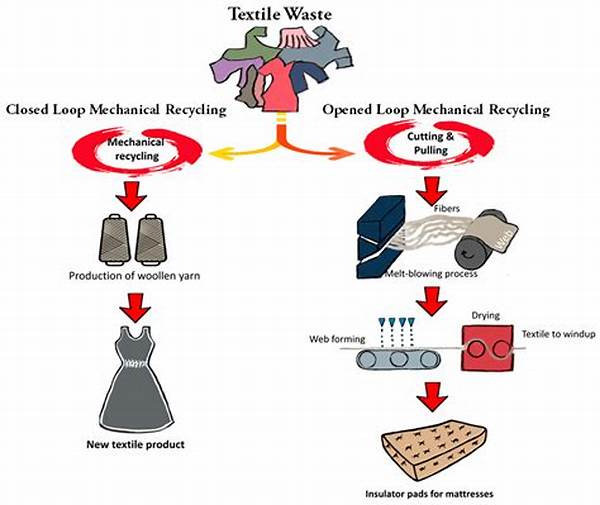
So, what does it take to metamorphose textile waste into something innovative and fresh? It all begins with a rigorous sorting process, where textiles are categorized by material type and condition. Natural fibers like cotton and wool, being compostable, are treated differently from synthetics such as polyester. Through a journey of shredding, cleaning, and re-spinning, these threads find new life as everything from chic apparel to avant-garde art.
Interviews with industry leaders reveal the inspiring stories of companies and artisans transforming the textile landscape. They highlight the emotional resonance and persuasive power of products that come with a story — a narrative that not only promotes environmental responsibility but also captures consumer imagination.
A Practical Guide to Transform Waste
Learning how to process textile waste into new products involves a strategic, step-by-step approach:
1. Collection & Sorting: Identify and gather textile waste from various sources. Implement a sorting system to categorize materials based on their type and quality.
2. Processing & Reuse: Utilize mechanical and chemical processes to break down fibers and prepare them for recycling. This may involve shredding or melting processes to return materials to a base form, ready for reinvention.
3. Design & Creation: Collaborate with designers to reimagine and recreate new products that are both functional and fashionable, often drawing on trends and consumer feedback for innovation.
Sustainable Fashion and Its Impact
Sustainable fashion is more than just a fleeting trend; it’s the future. As more brands and consumers embrace this movement, the demand for eco-friendly practices grows exponentially. Case studies illuminate the tremendous commercial and ecological benefits: reduced landfill usage, lower carbon emissions, and an economic boost from new sustainable marketplaces.
Read More : Custom Branding On Mobile Trash Containers For Businesses
Consumer testimonials and market analysis provide compelling evidence that the shift towards sustainable products is not only a social responsibility but also a lucrative opportunity for businesses. In essence, how to process textile waste into new products is a question that can lead to both personal and industrial success, resonating emotionally and rationally with diverse audiences.
The Future of Textile Innovation
Inspirational Conversions
Industry Changes
As industry slowly pivots towards greener practices, government policies and incentives increasingly support businesses in adopting sustainable processes. Reports highlight increased investment in research, with developments in biochemistry and material sciences promising even more efficient recycling methods.
By understanding how to process textile waste into new products, stakeholders can partake in this wave of change, earning the admiration of conscious consumers and contributing to a greener planet.
A Call to Action
In conclusion, the path from discarded textiles to desirable new products is a journey of creativity, innovation, and environmental stewardship. The process is multifaceted, requiring collaboration across industries and disciplines but offering tremendous rewards.
Taking the Next Step
The floor is yours: Whether you’re a consumer eager to make eco-friendly choices or a designer poised to lead the charge in fashion revolutionary practices, the invitation is to engage with this vibrant ecosystem. Let your next purchase, project, or pitch echo sustainability, illustrating how waste can indeed be wonderful.
Join the conversation, make informed choices, and champion a future where fashion and sustainability go hand in hand. Embrace the challenge and discover the artistry of how to process textile waste into new products — one stitch at a time.